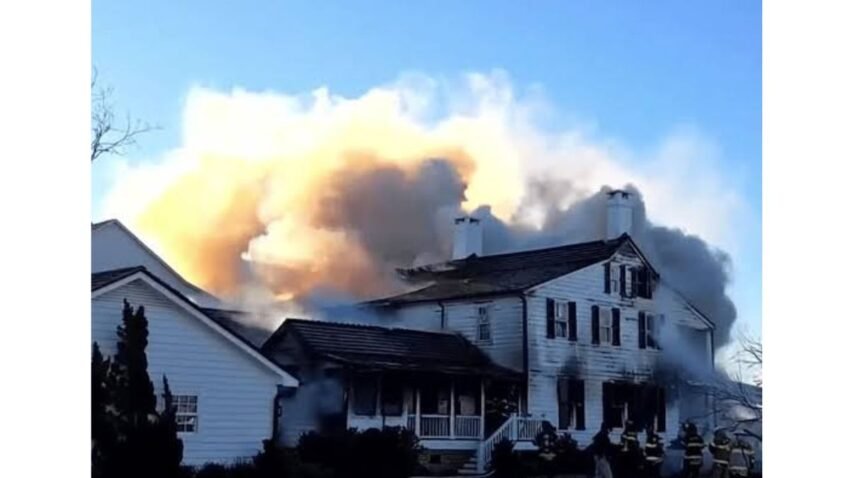
Fire crews in Beaufort battled a working structure fire at a historic waterfront building. Learn how firefighters contained the blaze, the challenges of protecting heritage sites, and the importance of community vigilance in safeguarding Beaufort’s landmarks.
The recent structure fire in Beaufort has drawn widespread attention, not only because of the immediate danger it posed but also due to the historic significance of the waterfront building involved.
Fires in older structures present unique challenges, and this incident highlighted the importance of preparedness, rapid response, and community vigilance.
Fire crews from across the county were dispatched to the scene, working tirelessly to contain the blaze and prevent it from spreading to nearby properties.
Classified as a working structure fire, the event required full engagement from firefighters, law enforcement, and local emergency services.
The location of the fire along Beaufort’s waterfront added complexity to the response. Access to water supplies and maneuvering equipment in tight spaces demanded coordination and experience.
Firefighters faced logistical hurdles but managed to stabilize the situation through teamwork and pre‑planned strategies.
Law enforcement officers assisted by securing the area, directing traffic, and ensuring public safety, while residents were urged to avoid the scene to allow emergency crews to operate efficiently.
The damage to the historic building is a significant loss for the community. Structures along Beaufort’s waterfront are not only functional but also represent cultural heritage, tourism value, and local identity.
When such buildings are threatened, the impact extends beyond physical damage it touches the collective memory of the town.
Preservation advocates often stress the need for fire safety upgrades in older structures, including modern alarm systems, sprinkler installations, and electrical inspections, to reduce risks in the future.
Community awareness played a vital role during the incident. Residents reported smoke and flames quickly, allowing crews to respond before the fire could spread further.
This vigilance underscores the importance of public involvement in safety. Suspicious activity, neglected maintenance, or unsafe practices around historic sites can all contribute to fire risks, and reporting concerns promptly can prevent disasters.
The Beaufort fire also raises broader questions about balancing preservation with modernization. Historic buildings often lack the infrastructure needed to meet current safety standards yet retrofitting them requires careful planning to maintain authenticity.
Local governments and preservation groups must work together to secure funding and implement upgrades without compromising heritage.
Fires like this serve as reminders that cultural landmarks need proactive protection, not just reactive measures.
From a safety perspective, the incident highlights the layered approach Beaufort County employs.
Fire departments conduct regular training, law enforcement maintains close partnerships with emergency services, and community campaigns encourage vigilance.
These combined efforts create resilience, ensuring that when emergencies occur, responses are swift and coordinated. The waterfront fire demonstrated this system in action, with multiple agencies collaborating seamlessly.
The risks associated with waterfront fires are particularly notable. Access challenges, wind patterns, and proximity to other structures can accelerate damage.
Pre-planned water supply strategies, including hydrant mapping and portable pump systems, are essential in such environments.
Firefighters in Beaufort relied on these measures to overcome logistical barriers, proving the value of preparation.
For residents, the takeaway is clear
Safety is a shared responsibility. Homeowners and business owners in historic districts should invest in preventive measures, such as smoke detectors, extinguishers, and routine inspections.
Community members should remain alert to potential hazards and support preservation initiatives that include safety upgrades. By combining vigilance with modernization, Beaufort can protect both its people and its heritage.
In conclusion, the Beaufort structure fire serves as a powerful reminder of the challenges posed by historic preservation and the importance of community cooperation.
Fire crews demonstrated professionalism and resilience, law enforcement ensured public safety, and residents contributed through awareness and reporting.
While the damage to the historic waterfront building is a loss, the incident reinforces the need for proactive safety measures in older structures.
Beaufort’s identity is deeply tied to its heritage, and safeguarding that heritage requires a balance of tradition and modern protection.
Through vigilance, investment, and collaboration, the community can ensure that its historic landmarks remain secure for future generations.